Tourist Attractions
11. Marikina Sports Park
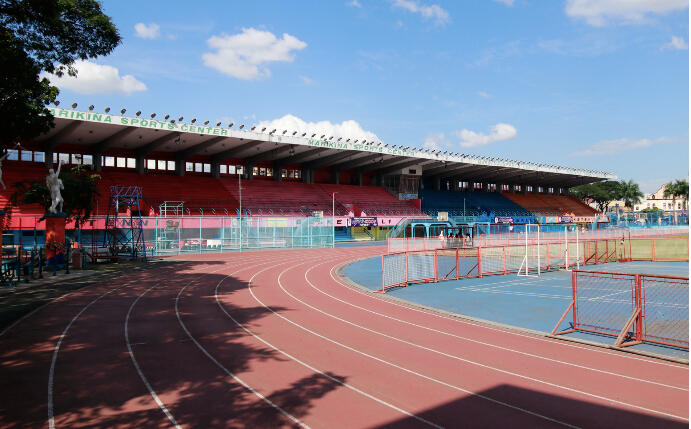
The Marikina Sports Park is a sports complex located at 24 Sumulong Hwy, Marikina, 1800 Metro Manila. The park’s designed was based on international standards and some of its facilities and services include an Olympic-size swimming pool, sports building, indoor gymnasium, tennis court and basketball court. It also consists two grandstands that can sit 15,000 people. The place has hosted various national and regional sports competitions such as the 2014 ASEAN School Games and 2005 Southeast Asian Games.The Star Olympics was also held in the area where it was organized by the local actors and other celebrities.
12. River Park
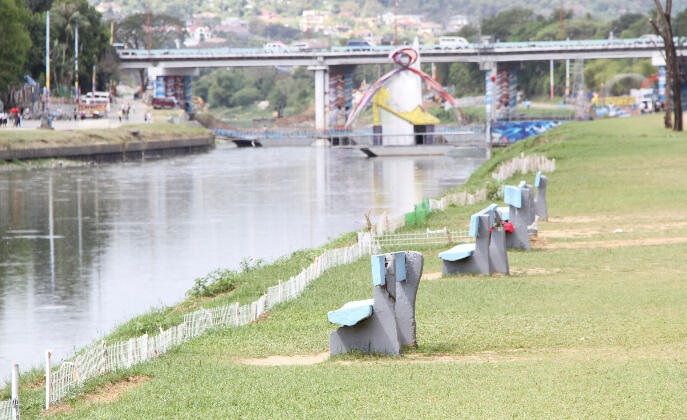
The Marikina River is the pride of the region. Marikina River rehabilitahion was successful and it has earned the city several honors and citations, including the Department of Interior and Local Government's Hall of Fame citation. According to the Department of the Interior and Local Government, Marikina River is the cleanest inland body of water in the entire National Capital Region.
The Marikina River Park serves as a hub for community and cultural events in the area. The annual Mama Mary Fluvial Parade and Festival, as well as the Marikina Christmas Festival, are held here. The place has a lot to offer, it has an an amphitheater, floating stages, a Roman Garden, picnic areas and more. You can also find a baseball field, a basketball court and a skating rink in the place.
13. Roman Garden
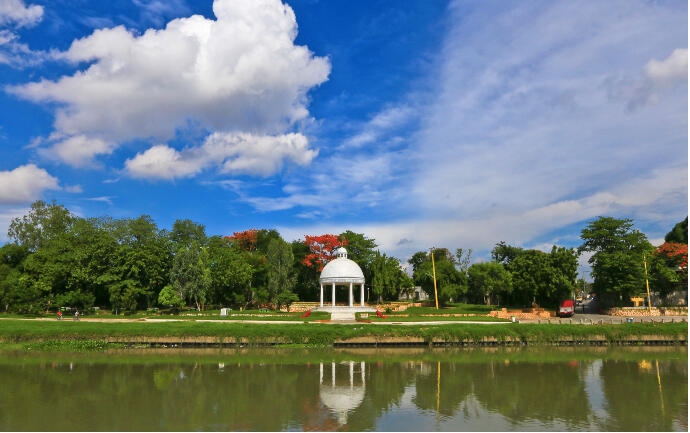
The Society of Jesus obtained ecclesiastical control of the Marikina region on April 16, 1630 where they built a mission village. The Jesuits are said to have discovered an image of the Infant Jesus among the boulders of rock on the Marikina River’s bank. With that being said, the priests created a chapel on these boulders of rock and christened it as the center of the village which is then known as Jesus dela Pena (Jesus of the Rock). The place, where the Marikina Zonta Club designed the Roman Garden in 1998, is thought to be the same location where the Jesuits saw Jesus' image. The garden is a tribute to Marikina's Christian residents, who now make up a sizable portion of the population.
14. The Chinese Pagoda
During the mid-1700s, Chinese Mestizo or Mestizo de Sangley made up the majority of Marikina's population. They came to Marikina at the invitation of the Jesuits to assist in the establishment of a hacienda named after San Isidro de Labrador, the patron saint of farmers.
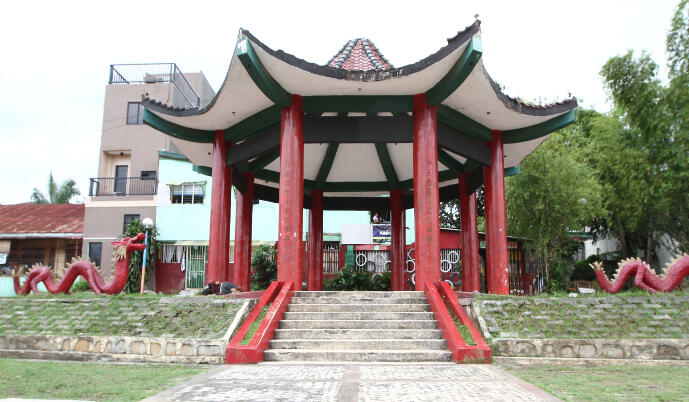
Don Antonio Tuazon, a wealthy Chinaman from Binondo, Manila was among these Chinese Mestizos. Don Antonio was thought to be Son-Tua (eldest son), whose wealth helped the Spaniards provide a battalion during their war with British forces attempting to take control of the Philippines from Spain. He purchased properties from the Jesuits in Marikina, which became known as Hacienda de Mariquina. The Marikina Chinese Chamber of Commerce was inspired to build the Chinese Pagoda along the Marikina Riverbank in honor of the Marikeños' Chinese roots.